For those suffering from insomnia, a single sleepless night turns into a relentless cycle. Your body is utterly fatigued, but your mind simply refuses to switch off. There are many people who experience the odd sleepless night and wake up feeling tired, but generally have a better quality of sleep the next night to make up for it. For those who suffer from insomnia, however, there is no relief as the pattern of sleep is disrupted continually over a long period of time.
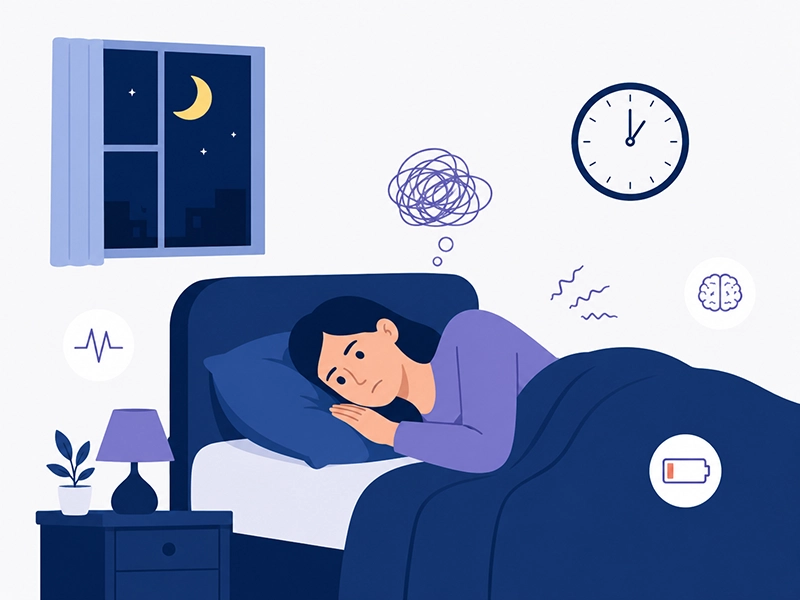
You Are Running on Empty - and it doesn't have to be this way. Insomnia can affect people's sleep routines in different ways:
- Lying awake for hours staring at the ceiling.
- Waking up multiple times and failing to get back to sleep.
- Waking up far too early with immediate racing thoughts.
- Feeling irritable, exhausted, and unable to concentrate during the day.
How Hypnotherapy Resets Your Biological Clock
Willpower and sleep hygiene only go so far when your subconscious is on high alert. Whether your insomnia is fueled by stress, anxiety, or an inability to process the day's emotions, hypnotherapy targets the root cause.
The Science (Simplified)
Hypnosis guides you into a deeply relaxed state, similar to REM sleep. In this state, we bypass the overactive conscious mind to release stored stress, embed positive sleep behaviors, and calm your nervous system so it naturally triggers sleep.
It is recommended that, on average, adults should aim to sleep between 7 and 9 hours per night. Children need more sleep, around 9 to 13 hours, and babies need even more, as many as 17 hours per day.
Many people nowadays run at a 'sleep deficit', which means we are just not getting as much sleep as we need. Whilst we are busy trying to cram our lives with all the things we need to do, it might be worth remembering that if you have regular poor sleep you may be putting yourself at risk from conditions such as obesity, diabetes and heart disease. Not only that, but bad sleep can even shorten your life expectancy. Sleep allows our bodies to heal and repair and is vital for our mental and physical health.
People who are experiencing insomnia can find that normal waking life can get increasingly difficult. When we don't get enough sleep, we find it hard to concentrate and often feel irritable and exhausted. There is perhaps nothing worse than longing for sleep, with every part of your body fatigued, but having a mind that just won't relax.
Possible Causes of Insomnia
If you are experiencing insomnia then it's a good idea to speak to your medical practitioner in the first instance, who will be able to rule out any health issues. Some things that might affect your ability to sleep are:
- Chronic pain
- Asthma
- Nasal / sinus allergies
- Neurological conditions, for example Parkinson's Disease
- Hyperthyroidism
Insomnia may also be caused by your physical environment — things like a noisy room, an uncomfortable bed, being too hot or cold, for example.
When you've ruled out the factors above then it's possible that your insomnia may be caused by stress, anxiety or depression. Sometimes people lie awake at night worrying about all the things that they are unhappy about, or things that might go wrong in the future. We give our brains far too much work to do at a time when it naturally wants to switch off.
Everyone has a circadian rhythm, which is an internal biological clock that regulates our sleep cycles. When the sun goes down our brains trigger a hormone called melatonin, which makes us feel sleepy. Then, when it starts to get light our brains signal us to wake up. For people who work night shifts this can also cause problems for our internal clock because we are working against our natural rhythms.
Better Sleep Habits
We can help ourselves get into good sleeping routines by observing some simple techniques:
- Cut down on alcohol and caffeine drinks such as tea and coffee before bedtime.
- Don't use electrical equipment such as monitors, laptops or phones close to bedtime. The blue rays emitted by these devices are inclined to make us feel more awake as they mimic 'morning light'. It's best to keep them out of the bedroom altogether.
- Avoid eating large meals late at night so that your body isn't busy digesting food when it should be resting.
- Run yourself a warm bath before bed.
- Try candlelight in the evenings instead of electrical light. These give a soft glow that is conducive to feeling sleepy.
- Try to get into a regular routine of going to sleep and waking up at a certain time. You will be training your body clock into good habits.
- Invest in curtains that shut out the light.
- Make sure you won't be too hot. Good ventilation will help you feel refreshed in the morning too.
- If your mind is full of all the things you need to be doing, write a list and consider them "out of your head" so that you can deal with them when you wake up instead.
How Hypnotherapy Helps with Sleep
Alongside all the tips and suggestions above, you might also like to see how hypnotherapy can help with the underlying causes of insomnia by allowing you to deeply relax.
When we enter the state of hypnosis we are using part of the brain that is very similar to that used during REM sleep. REM (Rapid Eye Movement) is the dreaming part of sleep that is very important to us. During this period of sleep the brain is very active, almost as much as when it's awake.
It's thought that whilst we are in the REM stage of sleep we are able to process emotional events of the day, which enable us to feel more in control and less worried when we wake up. It's also involved in processes such as learning and memory. People who have disturbed REM sleep often suffer from poor concentration and recall.
Your hypnotherapist will encourage deep relaxation so that you can experience restorative brain function in an altered state of consciousness. At the same time, he can work with positive suggestion and hypnotic language patterns that embed new constructive behaviours for improved sleep.
It might also be that there are underlying situations in your life that are disturbing your sleep. Using safe and natural techniques your hypnotherapist can work with you to strengthen your resilience and capability, enabling your own inner resources to be enhanced. This can give you increased feelings of being in control and the peace of mind you have been searching for to enable you to sleep soundly.
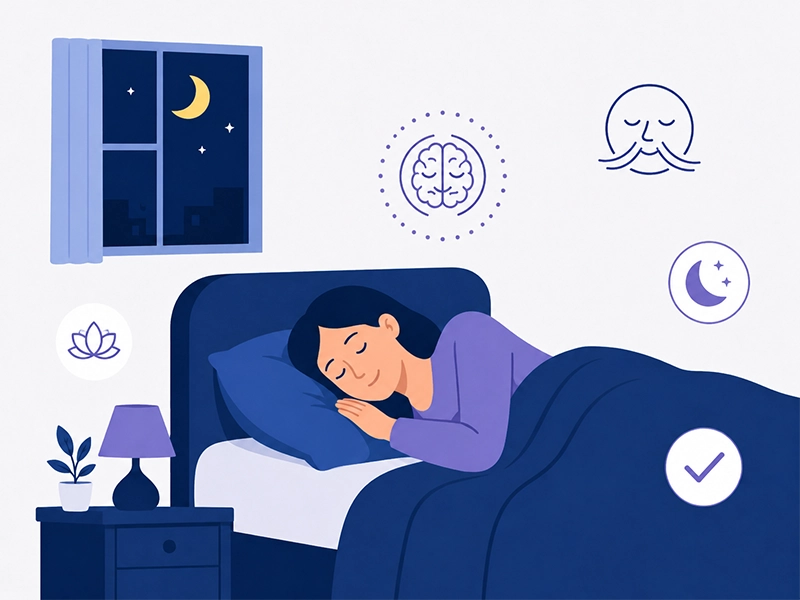
"Alex's treatments changed my life. The heaviness was lifted, the circular head conversations greatly diminished and doubts evaporated. I feel stronger, more grounded, more assured and focused."
— Tam B.
Work 1-on-1 with Alex Maric, CCHt. Over 10 years of precision clinical hypnotherapy experience. All sessions conducted securely via Zoom or Google Meet.